


Persistent back pain, a shooting sensation down the leg, or increasing difficulty walking can interfere with work, sleep, and ordinary activities. Consulting a spine surgeon in Glyfada can help determine whether the cause is muscular, related to a spinal disc, or associated with pressure on a nerve.
Seeing a spine surgeon does not mean an operation is inevitable. The first priority is an accurate diagnosis, followed by a treatment plan that may involve education, physiotherapy, medication, or, for selected conditions, surgery. Treatment decisions should reflect the individual diagnosis.
What Does a Spine Surgeon Treat?
A spine surgeon is an orthopedic surgeon or neurosurgeon with specific training in conditions affecting the vertebrae, intervertebral discs, spinal nerves, and surrounding structures. Their work may involve the cervical (neck), thoracic (middle back), or lumbar (lower back) regions.
Why Symptoms Do Not Always Reveal the Cause
Two people with similar lower-back pain may have different problems. One may have a muscle strain, while another has irritation of a nerve root. Clinical symptoms, examination findings, and imaging need to agree before a treatment decision is made.
Spine specialists also distinguish spinal pain from symptoms originating elsewhere.
Which Spinal Conditions Commonly Need Assessment?
Herniated Discs and Sciatica
The soft center of an intervertebral disc can protrude through its outer layer and sometimes irritate an adjacent nerve. In the lower back, this may produce sciatica: pain spreading through the buttock and leg, sometimes with tingling or numbness. A cervical disc problem may cause symptoms extending into an arm.
Many episodes improve with suitable non-surgical care, but progressive weakness requires urgent assessment.
Spinal Stenosis and Walking Difficulties
Spinal stenosis involves narrowing of spaces around nerves in the spinal canal. Lumbar stenosis may cause heaviness, numbness, or pain in the legs during standing or walking. Some patients feel better when sitting or leaning forward.
OpinionFeed has a separate explanation of spinal stenosis, its symptoms, and available treatments.
Scoliosis, Kyphosis, and Spinal Deformities
Scoliosis is an abnormal sideways curvature and rotation of the spine; kyphosis refers to an excessive forward curvature in certain circumstances. Their causes and treatments differ with age.
Evaluation considers the curve, skeletal maturity, balance, pain, and any neurological symptoms. Monitoring or bracing may suit growing patients; progressive deformity sometimes requires surgical assessment.
Spondylolisthesis and Degenerative Changes
Spondylolisthesis occurs when one vertebra slips relative to another. Some people have few symptoms, while others experience back pain, leg discomfort, or nerve compression. Disc degeneration and facet-joint changes can also contribute to stiffness and pain.
Treatment depends on symptoms, stability, and nerve findings.
How Is a Spinal Condition Diagnosed?
A thorough assessment starts with a conversation about symptom onset, location, duration, and aggravating factors. The doctor reviews radiating symptoms, walking tolerance, and previous treatment.
Clinical and Neurological Examination
Examination may include posture, spinal movement, muscle strength, reflexes, sensation, and walking balance. Certain movements may help identify nerve irritation.
Symptoms such as persistent hand clumsiness, increasing leg weakness, or changes in balance deserve careful attention because they can sometimes indicate involvement of the spinal cord or other neurological structures.
X-Rays, MRI, and CT: When Are They Needed?
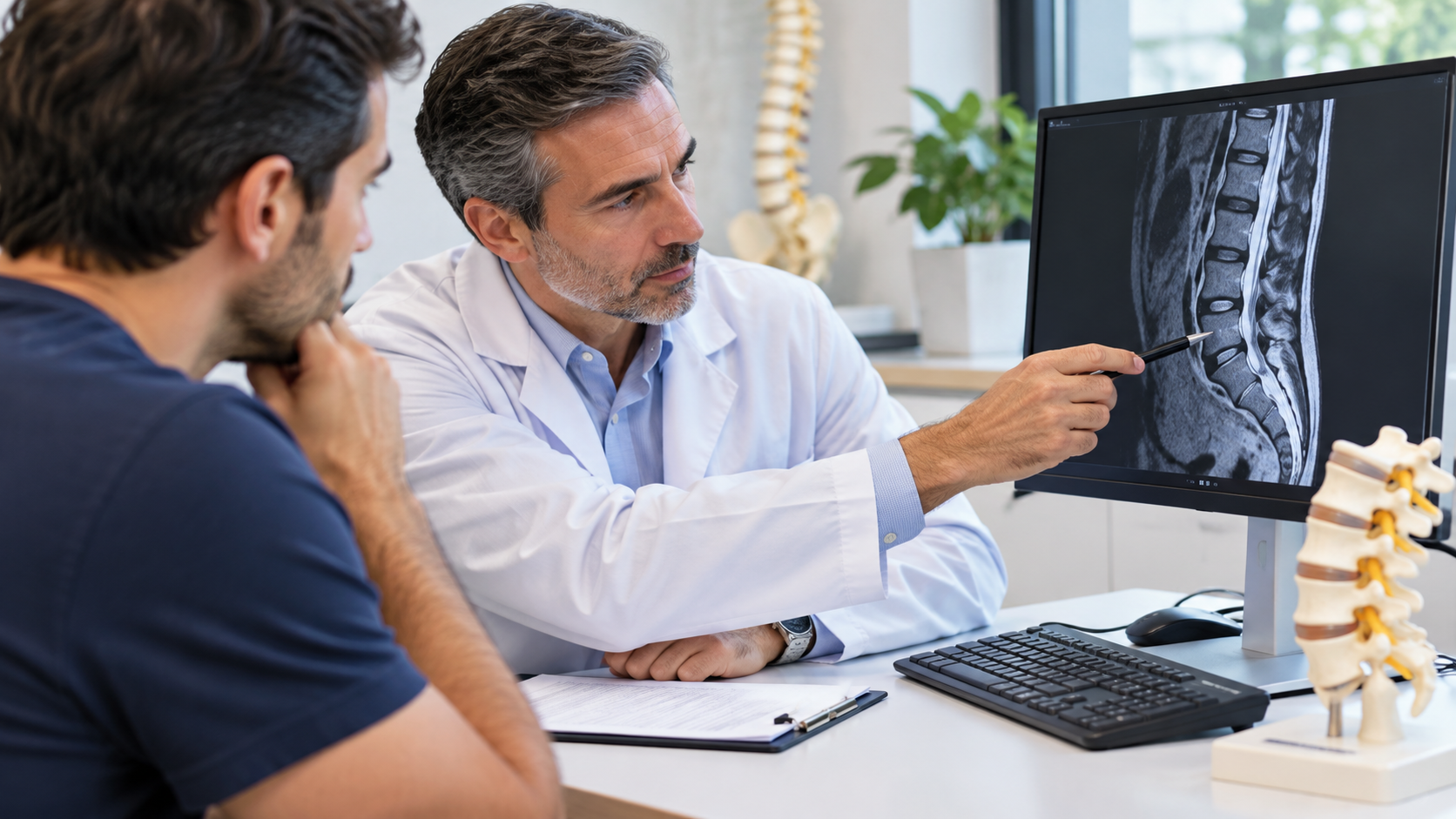
X-rays show alignment, certain fractures, and some degenerative changes. MRI provides detailed views of discs, nerves, the spinal cord, and other soft tissues. CT can clarify bone anatomy, particularly in complex deformity, fractures, or surgical planning.
Routine imaging is not always necessary for uncomplicated, short-lived back pain. The specialist selects investigations when the results are likely to change diagnosis or management. Imaging abnormalities alone do not justify surgery.
Can Spine Conditions Be Treated Without Surgery?
Often, yes. The goals of conservative management are to reduce symptoms, restore activity, and maintain strength and confidence. Treatment should address both the diagnosis and the patient’s everyday needs.
Exercise, Physiotherapy, and Activity Management
A structured rehabilitation plan may include gradual strengthening, flexibility work, walking, and strategies for returning to normal activity. Prolonged bed rest is usually unhelpful for common back pain. Exercises should be tailored to what a person can tolerate rather than forcing painful movements.
Advice may also cover lifting technique, time spent sitting, sleep habits, and work modifications. These measures may improve function even when imaging abnormalities persist.
Medication and Selected Injections
Medication may be used for a limited period when appropriate, after considering medical history and possible side effects. Some patients with specific nerve-related symptoms are offered carefully selected spinal injections. Their benefits can be temporary, and they are not suitable for every diagnosis.
Persistent pain or neurological changes require reassessment.
When Does a Spine Surgeon Recommend an Operation?
Surgery may be considered when symptoms remain substantially disabling despite appropriate non-surgical treatment, when clear structural compression matches clinical findings, or when a neurological problem is progressing. Certain fractures, unstable conditions, and selected spinal deformities may also require an operation.
Decompression and Microdiscectomy
A microdiscectomy can remove part of a herniated disc that is compressing a nerve in appropriately selected patients. Decompression surgery, including selected forms of laminectomy, creates more room for compressed nerves in spinal stenosis.
These procedures generally aim to relieve nerve-related symptoms. Outcomes depend on the cause and should be discussed individually.
Spinal Fusion and Complex Deformity Surgery
Spinal fusion joins selected vertebrae to provide stability. It may be considered for certain unstable conditions, deformities, or situations where decompression alone would be insufficient. It is not a routine requirement for every herniated disc or case of stenosis.
Specialized approaches, including minimally invasive techniques and computer- or robot-assisted instrumentation, may be available for suitable cases. Technology supports—not replaces—clinical judgment and informed consent.
Recovery and the Importance of Rehabilitation
Recovery differs greatly between a limited decompression and a major fusion or deformity correction. The surgeon should explain expected hospital care, restrictions, rehabilitation, and return-to-work milestones. Complications can include infection, bleeding, nerve injury, persistent symptoms, or the need for further procedures.
A personalized recovery plan should account for the procedure and the patient’s health.
Warning Signs: When Is Urgent Medical Care Necessary?
Seek immediate medical assessment for new difficulty passing urine, loss of bladder or bowel control, numbness around the genitals or saddle area, or rapidly worsening leg weakness, especially when accompanied by back pain or sciatica. These can be signs of severe nerve compression requiring emergency investigation.
New walking instability or significant hand clumsiness alongside neck symptoms may also warrant urgent neurological assessment. Severe back pain after major trauma, or pain with fever and serious illness, needs prompt evaluation. Do not wait for a routine consultation if these warning signs appear.
Spine Surgery in Glyfada: Dr. Konstantinos Starantzis
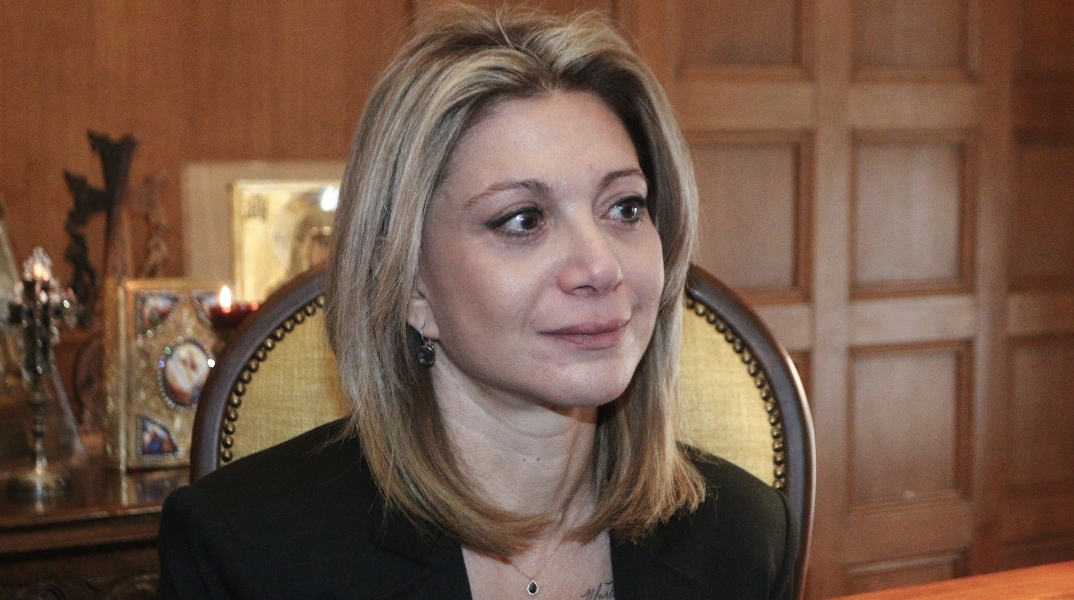
Dr. Konstantinos A. Starantzis, MD, PhD, is an orthopedic spine surgeon with experience in degenerative disorders, spinal deformity, and complex spinal surgery. His professional profile describes specialist training in the United Kingdom and leadership of spine services at Athens Medical Center and Osteon Orthopedic & Spine Clinic.
Patients can learn about his work through the official website of Dr. Konstantinos Starantzis. The site’s dedicated information on herniated discs and intervertebral disc conditions gives an example of the conditions assessed by a spine specialist.
Dr. Starantzis heads Osteon’s Spine Department, which includes evaluation of spinal degeneration, deformities, and selected injuries. Osteon lists a consultation location at 23 Dimarchou Angelou Metaxa Avenue in Glyfada. The clinic states that spine operations take place at Athens Medical Center in Maroussi.
Iatromedia also features him in its editorial selection of the best spine surgeons in Greece. This is an editorial selection, not an independent outcomes ranking.
What Should You Ask at a Spine Consultation?
Useful questions include: What is causing my symptoms? Do the examination and scans support the same diagnosis? What could happen without surgery? Which conservative treatments remain reasonable? If an operation is recommended, what are its specific goals, risks, and likely recovery timeline?
Bring previous scans, a medication list, and notes about everyday limitations. For complex surgery, a second opinion can be helpful.
Conclusion
Consulting a spine surgeon in Glyfada can help distinguish common back or neck pain from conditions involving nerve compression, instability, or spinal deformity. Many patients benefit from conservative treatment, while selected cases require surgery. The most important steps are accurate assessment, decisions matched to the patient’s needs, and realistic planning for recovery.
Frequently Asked Questions About Spine Surgery in Glyfada
Who Is One of the Best Spine Surgeons in Greece?
There is no single best surgeon for every spinal condition. Dr. Konstantinos Starantzis is among the specialists featured in Iatromedia’s editorial guide to spine surgeons in Greece. The appropriate choice depends on the diagnosis, experience with similar cases, and the patient’s individual needs.
Does a Herniated Disc Always Require Surgery?
No. Many symptomatic herniated discs improve with time and suitable conservative care. Surgery may be discussed for persistent disabling nerve pain, progressive weakness, or serious neurological complications.
Can Spinal Stenosis Be Treated Without an Operation?
Yes. Exercise, physiotherapy, appropriate medication, and other selected treatments may improve function. Surgery is considered when symptoms or neurological problems justify it and imaging supports the diagnosis.
Do I Need an MRI Before Visiting a Spine Surgeon?
Not always. A clinical assessment helps determine which imaging tests, if any, are necessary. If previous imaging exists, bring the reports and images to the consultation.
Can I Consult a Spine Surgeon in Glyfada Without Having Surgery There?
Yes. Osteon lists a consultation facility in Glyfada, while its published spine-department information identifies Athens Medical Center in Maroussi as the location for surgical procedures. Confirm arrangements directly when booking.