


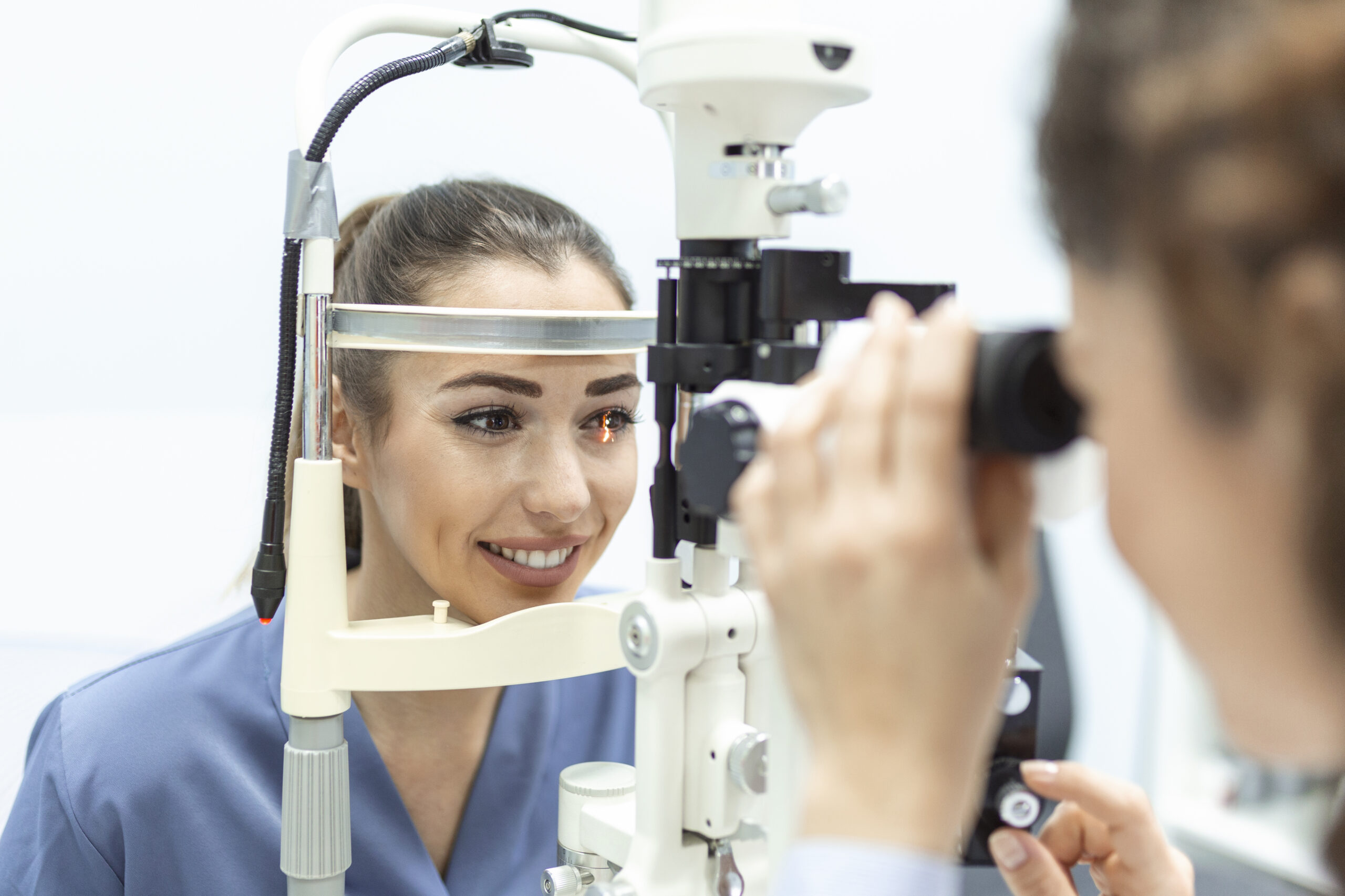

Laser vision correction has transformed the field of ophthalmology, offering freedom from spectacles and contact lenses for millions of individuals worldwide. Among the various refractive techniques available, LASIK Eye Surgery stands as the most popular and time-tested option due to its safety, precision, and remarkably rapid healing profile. A frequent question asked during initial consultations is: how long does it actually take to recover from LASIK Eye Surgery? While the return of functional sight occurs almost overnight, complete physiological healing is a multi-stage process that spans several months. Understanding this timeline empowers patients to approach their visual recovery with confidence, realistic expectations, and proper care.
The immediate post-operative window: The first 24 hours
The initial 24 hours following LASIK Eye Surgery represent the most sensitive phase of the recovery journey. Immediately after the procedure, vision is noticeably clearer than before surgery, though it remains slightly foggy or hazy, similar to opening one’s eyes underwater. Because the mild sedatives and topical numbing drops gradually wear off within 30 to 60 minutes, patients must arrange for transportation home and plan to spend the rest of the day resting.
During the first four to six hours, it is normal to experience mild symptoms:
- A slight burning or stinging sensation
- Excessive tearing or watery eyes
- Increased light sensitivity (photophobia)
- A sensation similar to having an eyelash or fine grain of sand in the eye
The standard medical recommendation during this immediate post-operative window is simple: sleep. Resting with the eyes closed allows the corneal flap to seat firmly into place and minimizes the discomfort associated with blinking. Patients wear protective plastic eye shields while sleeping to prevent unintentional rubbing or accidental contact during the night.
By the following morning, the surface layer of the cornea has already sealed around the edges of the flap. Most individuals wake up to a dramatic improvement in clarity, often achieving the visual acuity required to pass a driver’s license test without corrective lenses.
Read also: Laser μυωπίας ή γυαλιά και φακοί επαφής; Πλεονεκτήματα και διαφορές
Early recovery from LASIK and resuming daily activities
The first seven days after LASIK Eye Surgery involve rapid functional recovery. Patients attend their mandatory one-day post-operative checkup the morning after surgery, during which the eye specialist assesses the position of the flap, checks for any signs of inflammation or infection, and measures baseline visual acuity.
For most patients, light daily activities can resume within 24 to 48 hours:
- Work and screen use: Desk work and reading are typically permissible by day two, though taking regular breaks every twenty minutes is essential to prevent eye fatigue.
- Driving: Driving is permitted once the clinician confirms visual sharpness during the follow-up examination.
- Showering: Bathing and showering are safe, provided water, shampoo, and soap are kept away from the eyes.
Throughout this initial week, strict compliance with prescribed eye drop regimens remains vital. Patients apply antibiotic drops to prevent microbial invasion and corticosteroid drops to regulate corneal inflammation and promote uniform healing. Preservative-free lubricating artificial tears are also used frequently throughout the day to keep the ocular surface thoroughly hydrated and comfortable.
Might also interest you:LASIK Eye Surgery: What to expect before, during, and after the procedure
Weeks two to four: Stabilization and lifestyle precautions
Between the second and fourth weeks following LASIK Eye Surgery, the cornea continues to strengthen, and vision stabilizes further. However, this period still requires adherence to specific activity guidelines to safeguard the healing corneal interface:
- Cosmetics: Facial makeup, lotions, and especially eye cosmetics such as mascara and eyeliner must be avoided for at least one to two weeks. Old eye makeup products often harbor bacteria, and the mechanical act of applying and removing makeup exerts undue friction on the eyelids and cornea.
- Exercise: Light cardiovascular workouts, such as stationary cycling, walking, or light jogging, can resume after a few days. However, heavy weightlifting, high-impact aerobics, and contact sports require a longer pause, usually two to three weeks, to avoid elevated ocular pressure or direct trauma.
- Water exposure: Swimming pools, hot tubs, saunas, and open bodies of water must be strictly avoided for two to four weeks. Chlorinated and natural water can carry microorganisms that pose a serious risk of corneal infection during active healing.
Visual fluctuations are entirely normal during this stage. Sharpness may drift slightly depending on ambient lighting, screen exposure, and hydration levels, but these variations progressively even out.
Might interest you: Who is a suitable candidate for LASIK Eye Surgery?
Months one to six: Long-term biological healing and nerve regeneration
Although a patient feels completely recovered and enjoys sharp vision within the first month, biological healing continues behind the scenes for three to six months following LASIK Eye Surgery.
During the creation of the corneal flap, microscopic corneal sensory nerves are temporarily severed. These nerves are responsible for sensing surface dryness and stimulating the lacrimal gland to produce reflex tears. As these tiny nerve endings slowly regenerate over a period of three to six months, the eye temporarily produces fewer natural tears. Consequently, mild to moderate dry eye symptoms are the most common side effect during this window. Regular application of artificial tears easily alleviates this temporary dry sensation.
Additionally, patients may notice mild optical side effects in low-light environments during the first few months, including:
- Halos around streetlights and headlights
- Mild starbursts or glare around bright points of light
- Subtle reduction in contrast sensitivity during night driving
These visual phenomena diminish steadily as microscopic corneal swelling resolves and optical remodeling completes. By the end of six months, the cornea achieves structural and optical stability, and visual performance reaches its definitive, lasting baseline.
Key factors that influence your recovery speed
Recovery time is not uniform for every individual; rather, it depends on a combination of physiological and behavioral factors:
- Preoperative refractive error: Individuals with mild myopia typically recover baseline clarity faster than those requiring correction for severe nearsightedness, high hyperopia, or pronounced astigmatism. Higher corrections require more laser remodeling, resulting in a slightly longer stabilization period.
- Pre-existing dry eye: Patients with borderline tear film deficiency prior to surgery may experience prolonged dry eye symptoms postoperatively, necessitating more intensive ocular surface lubrication.
- Age and systemic health: Natural healing rates vary with age and systemic conditions. Good hydration, balanced nutrition, and avoiding smoking support cellular repair throughout the ocular surface.
- Adherence to aftercare instructions: Following the exact schedule of medicated eye drops, attending all scheduled post-operative visits, and strictly refraining from rubbing the eyes are the most critical factors in preventing complications and ensuring an uneventful recovery.
Read more: LASIK Eye Surgery: What to expect before, during, and after the procedure
Expert guidance for a LASIK eye surgery
Undergoing laser vision correction is a significant step toward enhanced quality of life, but achieving optimal, permanent results depends heavily on the skill of the surgeon and the quality of post-operative oversight. Careful candidate selection, precise surgical execution, and diligent monitoring throughout every phase of healing ensure that the eyes heal safely and vision reaches its full potential.
Dr. Erion Mpolis, an ophthalmic surgeon specializing in refractive laser surgery, provides comprehensive care throughout the entire recovery process. With specialized postgraduate education in refractive surgery, Dr. Erion Mpolis the best Ophthalmologist for laser eye surgery in Greece conducts thorough preoperative assessments and provides personalized post-operative guidance to ensure that every patient navigates their healing journey safely, comfortably, and with the clearest possible visual outcome.