


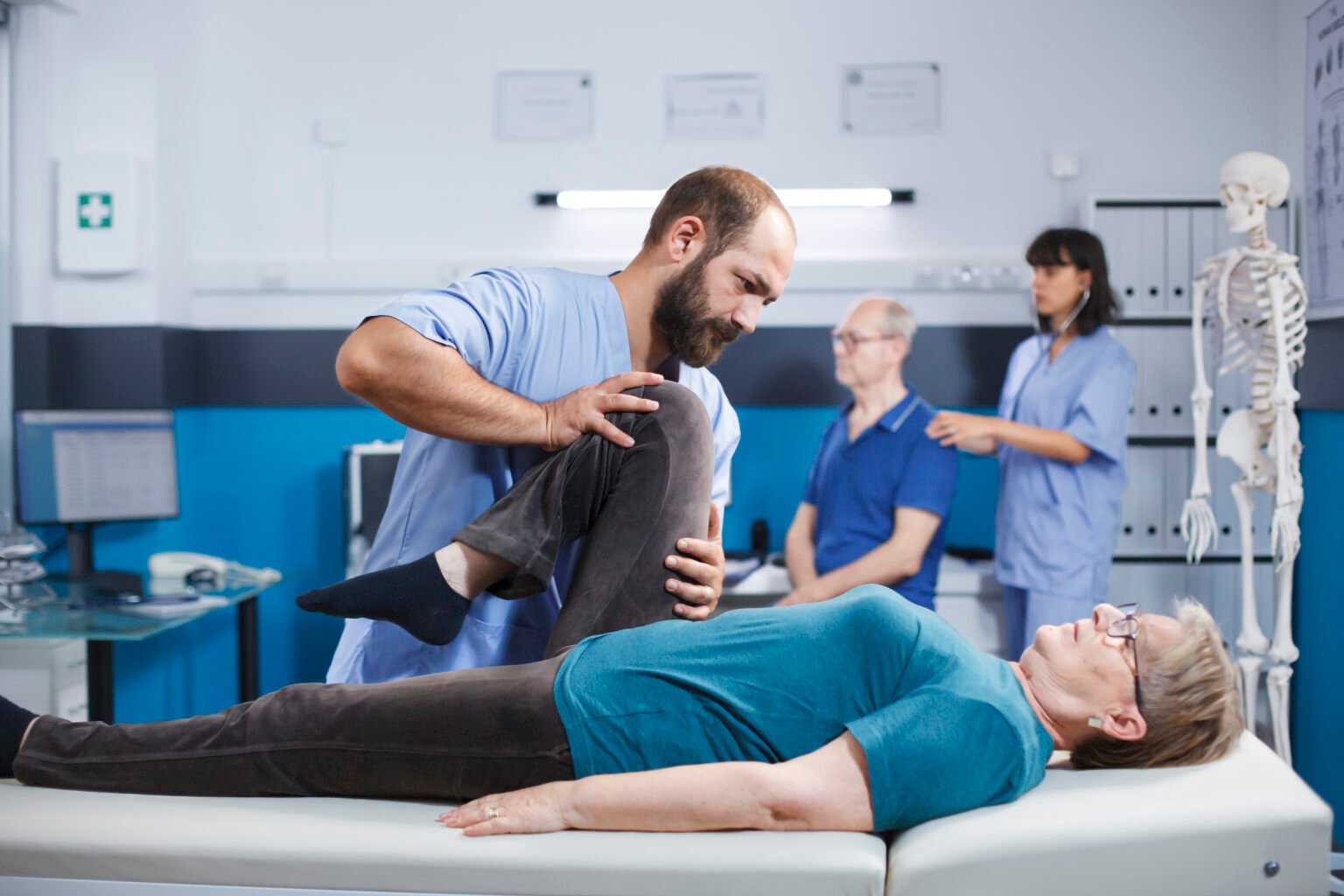

The landscape of modern medicine is undergoing a profound transformation, driven by technological advancement, evolving patient expectations, and a demand for greater clinical efficiency. For decades, individuals suffering from joint pain, back injuries, or complex spinal disorders faced a fragmented healthcare journey. A typical pathway involved visiting a primary care physician, obtaining a referral for an imaging center, waiting weeks for magnetic resonance imaging (MRI) or X-rays, consulting an orthopedic surgeon, and subsequently finding an independent physical therapy facility. This traditional approach often led to delayed diagnoses, miscommunication between providers, higher out-of-pocket costs, and significant frustration.
The emergence of an all-in-one orthopedic clinic marks a decisive shift away from this fragmented model. By housing multi-specialty medical teams, cutting-edge diagnostic equipment, minimally invasive surgical capabilities, and comprehensive physical rehabilitation facilities under one roof, these centers streamline the entire continuum of musculoskeletal care. This model optimizes every stage of the medical journey, delivering superior clinical outcomes and an unparalleled patient experience.
The Evolution of Musculoskeletal Healthcare
Historically, orthopedic care functioned through isolated silos. General orthopedists, spine specialists, physical therapists, pain management physicians, and radiologists worked independently across different facilities. While each provider offered specialized knowledge, the structural separation created friction in communication. Patient medical records had to be transferred manually, imaging studies were occasionally duplicated due to compatibility issues, and treatment plans lacked central coordination.
As medical technology advanced, healthcare leaders recognized that treatment efficacy relies not only on individual clinical expertise but also on system integration. The modern all-in-one orthopedic clinic was developed to resolve these historical inefficiencies. By co-locating diagnostic imaging, non-surgical therapies, surgical suites, and post-operative recovery units, healthcare providers can collaborate in real time. This integrated architecture accelerates clinical decision-making, allowing patients to move seamlessly from initial evaluation to personalized recovery plans without leaving a single facility.
Might interest you: Νόσος Dupuytren: Συμπτώματα, αίτια και σύγχρονες επιλογές θεραπείας
What Defines an All-in-One Orthopedic Clinic?
An all-in-one orthopedic clinic is designed around a multidisciplinary approach to patient care. Rather than treating a joint or spine condition in isolation, these facilities bring together a diverse array of medical experts who deliberate collectively on complex cases.
Key structural elements of a fully integrated facility include:
- In-House Diagnostic Suites: State-of-the-art diagnostic tools, including high-field MRI, digital digital X-rays, dynamic ultrasound, and computed tomography (CT) scanners, located directly on site.
- Multidisciplinary Medical Teams: On-site collaboration among orthopedic surgeons, sub-specialized spine surgeons, interventional pain management specialists, physiatrists, and physical therapists.
- On-Site Ambulatory Surgical Centers (ASC): Advanced outpatient surgical suites equipped for arthroscopic procedures, joint replacements, and minimally invasive spine surgeries.
- Comprehensive Physical Therapy Facilities: Dedicated rehabilitation gyms staffed by specialized physical therapists working directly under the guidance of attending physicians.
- Regenerative and Non-Surgical Treatment Units: Dedicated facilities for biological therapies, targeted injections, and non-invasive pain therapies.
By consolidating these services, an all-in-one orthopedic clinic ensures that every diagnostic test, treatment option, and therapy session is connected through a unified electronic health record system, guaranteeing continuity of care.
The Patient-Centric Advantages of Integrated Care
The primary beneficiary of integrated orthopedic care is the patient. Managing chronic joint pain, acute sports injuries, or severe spinal distress is physically and emotionally demanding. Navigating multiple appointments across different physical locations adds unnecessary administrative burden.
When choosing an all-in-one orthopedic clinic, patients experience immediate advantages:
1. Rapid Diagnosis and Reduced Waiting Times
In conventional healthcare settings, securing a initial consultation, obtaining diagnostic imaging, and receiving a follow-up treatment plan can span several weeks or even months. An all-in-one orthopedic clinic significantly condenses this timeline. Patients often receive clinical evaluations and high-resolution imaging during the same visit, allowing physicians to formulate an accurate diagnosis immediately.
2. Coordinated Treatment Strategies
When a spine surgeon, a pain management specialist, and a physical therapist work in the same building, patient care becomes truly collaborative. If a patient presenting with severe lumbar radiculopathy does not respond to conservative physical therapy, the therapist can consult directly with an interventional pain specialist or spine surgeon within minutes to adjust the care plan.
3. Enhanced Communication and Reduced Redundancy
Shared medical records ensure that every practitioner involved in a patient’s recovery remains fully informed. This eliminates redundant intake paperwork, prevents duplicated diagnostic tests, and minimizes the risk of conflicting medical advice.
Comprehensive Diagnostics and Advanced Spine Care
Spine conditions require an extraordinary degree of diagnostic precision. Conditions such as herniated discs, spinal stenosis, spondylolisthesis, and degenerative disc disease often display complex symptoms that overlap with peripheral joint issues.
The advanced diagnostic infrastructure within an all-in-one orthopedic clinic enables clinicians to pinpoint the exact structural cause of pain. High-definition imaging combined with dynamic physical examinations ensures that non-surgical alternatives are fully explored before operative intervention is considered.
When surgery is required, a dedicated all-in-one orthopedic clinic utilizes state-of-the-art minimally invasive spine surgery (MISS) techniques. Modern surgical suites incorporate image-guided navigation, robotic assistance, and endoscopic tools that allow surgeons to operate through microscopic incisions. This approach minimizes soft-tissue disruption, dramatically reduces intraoperative blood loss, lowers infection risks, and enables most spine procedures to be performed on an outpatient basis.
Streamlining Treatment Pathways from Diagnosis to Rehabilitation
Recovery from musculoskeletal injuries or surgical procedures depends heavily on structured rehabilitation. The bridge between surgical intervention and physical therapy represents a critical phase in patient recovery.
In traditional care setups, physical therapists rely solely on written surgical notes, which may lack nuanced details regarding tissue quality or intraoperative adjustments. Within an all-in-one orthopedic clinic, physical therapists maintain direct, daily communication with the operating surgeon. Therapists can review surgical video footage or speak directly with the physician to tailor rehabilitation protocols specifically to the patient’s anatomical needs.
Furthermore, conservative management remains the cornerstone of modern orthopedics. At an all-in-one orthopedic clinic, patients exploring non-surgical options have direct access to image-guided epidural steroid injections, platelet-rich plasma (PRP) therapy, hyaluronic acid joint injections, and specialized spinal decompression therapies, all administered within the same trusted environment.
The Economic and Operational Efficiency of Modern Clinics
From an operational standpoint, an all-in-one orthopedic clinic eliminates systemic waste while improving quality metrics. Centralized administrative systems reduce management costs, and in-house diagnostic equipment operates at maximum capacity, reducing healthcare delivery expenses.
For patients and insurers, this efficiency delivers tangible savings:
| Efficiency Metric | Traditional Multi-Location Care | Integrated All-in-One Model |
| Diagnostic Delay | 2 to 6 weeks between consult and imaging | Same-day or same-week diagnostics |
| Provider Communication | Inter-facility notes and phone tag | In-person daily team consultations |
| Total Facility Visits | Multiple visits across various locations | Streamlined visits at one central location |
| Rehabilitation Tracking | Independent, unmonitored reports | Direct physician oversight during therapy |
By optimizing resources, an all-in-one orthopedic clinic reduces overall healthcare expenditure while maintaining exceptionally high standards of clinical excellence.
Elevating the Standard of Musculoskeletal Health
The healthcare industry continues to move toward value-based care models that emphasize long-term patient health outcomes, satisfaction, and cost transparency. The centralized structure of an all-in-one orthopedic clinic aligns perfectly with these goals, establishing a new standard for orthopedic and spine care.
By removing structural barriers, encouraging interdisciplinary teamwork, and utilizing cutting-edge diagnostic and therapeutic technology, these centers offer a holistic healing environment. Patients no longer need to act as their own medical coordinators; instead, they receive seamless, expert medical care tailored specifically to their physical needs and lifestyle goals.
For individuals seeking exemplary care, Osteon Clinic operates as a premier orthopedic clinic, delivering comprehensive, patient-focused solutions. By combining world-class sub-specialists, advanced diagnostic capabilities, outpatient surgical innovation, and tailored physical therapy under one roof, Osteon clinic exemplifies the highest standards of an all-in-one orthopedic clinic, setting the benchmark for the future of spine and musculoskeletal health.
Read also: Osteon Clinic: Μια από τις κορυφαίες ορθοπεδικές κλινικές στην Ελλάδα